
Snowplow rubber blades
A key component for effective winter maintenance
Snowplow rubber blades are a vital component of snow ploughs and municipal machinery.
Although it is a relatively simple component, its quality and the right choice have a significant impact on performance, service life and safety during snow clearance.
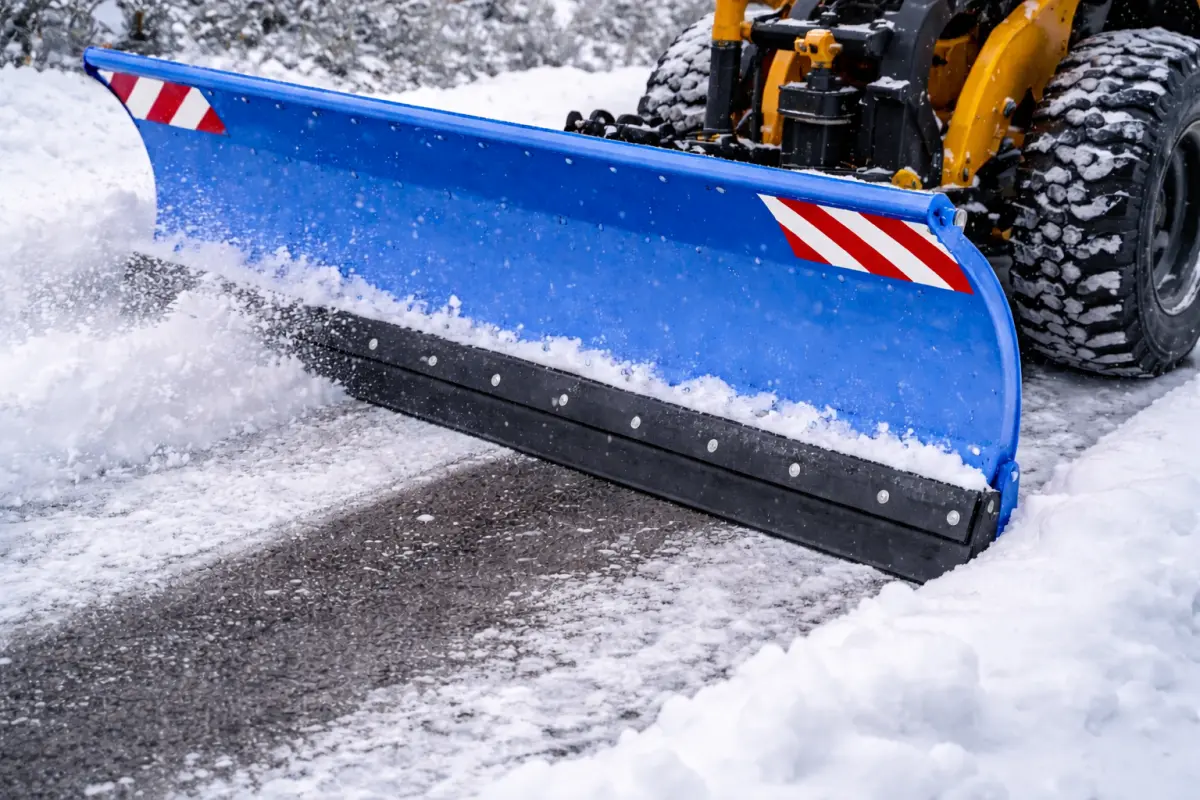
🔹 What are snowplow rubber blades
Blade is the lower working edge of snowplow blades, which is in direct contact with the road surface.
👉 Its main function:
- removing snow and ice
- protecting the structure of snowplow blades
- transferring force to the surface
🔹 Types of blades on snowplow blades
🔸 Steel blades
- high hardness
- long service life on asphalt
- suitable for extreme conditions
❗ Disadvantage: higher noise levels and surface wear
🔸 Rubber bladey
- Gentle on the road surface
- Quiet running
- ideal for:
- tiles
- pavements
- car parks
🔸 Polyurethane blade
- combining the advantages of rubber and steel
- high abrasion resistance
- long service life
🔸 Combined blade tyres
- steel + rubber
- Optimisation of performance and fuel efficiency
🔹 Why the correct blade is important
An unsuitable blade can cause:
❌ rapid wear
❌ surface damage
❌ higher maintenance costs
👉 The correct blade ensures:
✔ efficient snow clearance
✔ lower operating costs
✔ a longer service life for snowplow blades
🔹 Practical applications
Snowplow rubber blades are used:
- municipal machinery
- road maintenance
- industrial sites
- logistics centres
🔹 Bespoke manufacturing and solutions
Modern manufacturing enables:
✔ precise dimensiony according to snowplow blades
✔ various hardnessi of material
✔ combinations of layers
👉 ideal adaptation to specific conditions
🔹 How to choose the right blade
When choosing, consider:
- surface type (asphalt, concrete, paving)
- intensity of use
- type of machine
- climatic conditions
🔹 Advantages of high-quality blade
✔ greater work efficiency
✔ lower noise levels
✔ longer service life
✔ surface protection
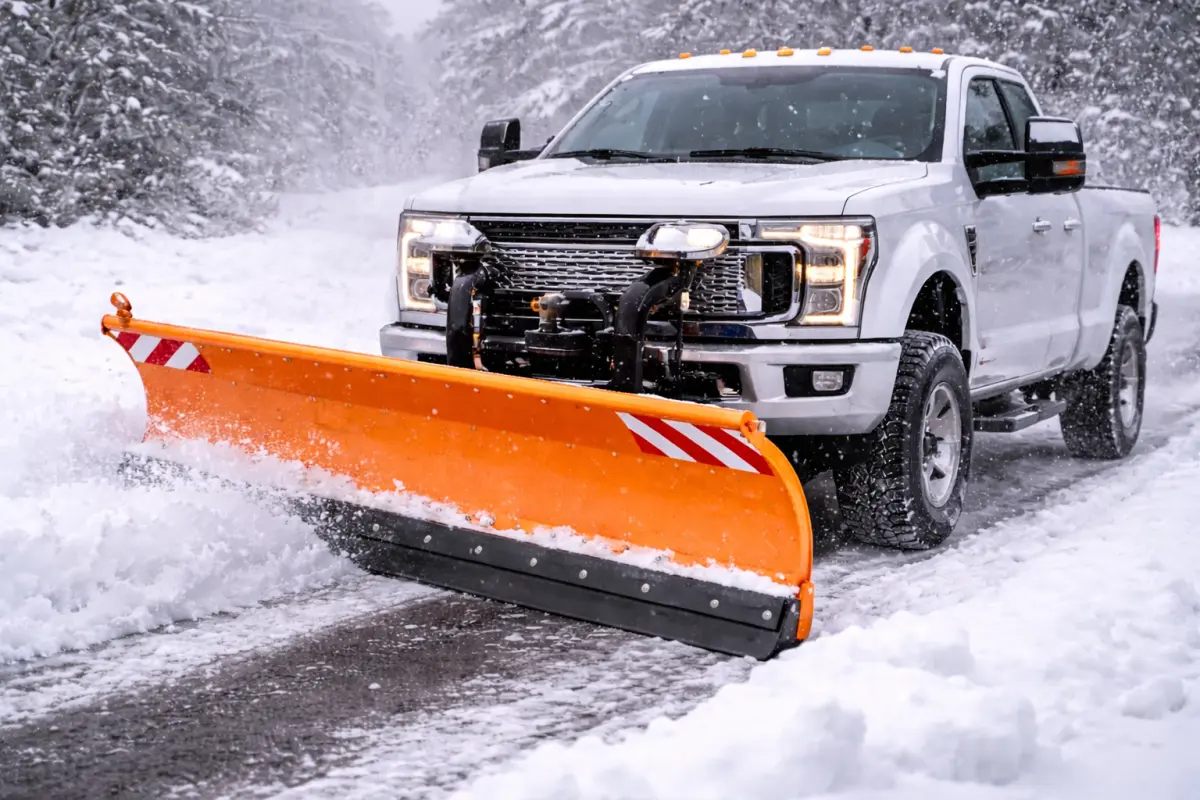
Interesting facts about blade on snowplow blades
🔹 Blade is the part of the whole snowplow blades that is subjected to the most stress
👉 It is constantly in contact with the surface whilst in operation
➡️ It can wear down by as much as a few millimetres a day
🔹 Not all snow is the same
Perhaps surprisingly:
- wet snow = greater resistance
- frozen snow = extreme wear and tear
👉 blade must cope with both situations
🔹Rubber can be ‘smarter’ than steel
Rubber blade tyres:
✔ adapt to uneven surfaces
✔ ‘track’ the surface better
✔ do not damage paving
➡️ which is why they’re used in towns and cities
🔹Steel blade may produce sparks
On contact with tarmac or a drain:
👉 metal-on-metal friction occurs
➡️ sparks are generated
🔹Combined blades are a compromise
A modern solution:
- steel + rubber
- multiple layers
👉 Result:
✔ longer service life
✔ less noise
🔹 Blade rotates
To extend service life:
👉 some bladey can be rotated (reversible)
➡️ both edges are utilised
🔹 Temperature has large effect
In freezing conditions:
- rubber hardens
- it loses elasticity
👉 that is why special mixtures are used
🔹 Wear and tear = higher fuel consumption
Once blade is worn:
❌ poorer contact with the road surface
❌ greater rolling resistance
➡️ the engine has to ‘work harder’ → higher fuel consumption
🔹 There are also quiet blade tyres
Noise is an important factor in towns:
👉 rubber and PU blade tyres:
✔ significantly quieter than steel
✔ ideal for night-time maintenance
🔹 The right blade protects roads
High-quality blade:
✔ does not damage tarmac
✔ does not dislodge paving
✔ extends the service life of the road
| +420 515 320 023 | ||
|
Mon–Thu 6:30–15:30 Fri 6:30–13:00 Lunch break 11:30–12:00 |
||
| [email protected] |
|
ADITEG, s. r. o. Vrbovec 321, 671 24 Znojmo |
