
hydraulic seal
The key to trouble-free hydraulic operation
Hydraulic seal is an essential component of any hydraulic system. Without a correctly selected seal, the hydraulics cannot operate efficiently, safely or in the long term.
Whether in construction machinery, industrial equipment or agricultural machinery, a high-quality hydraulic seal plays a key role.
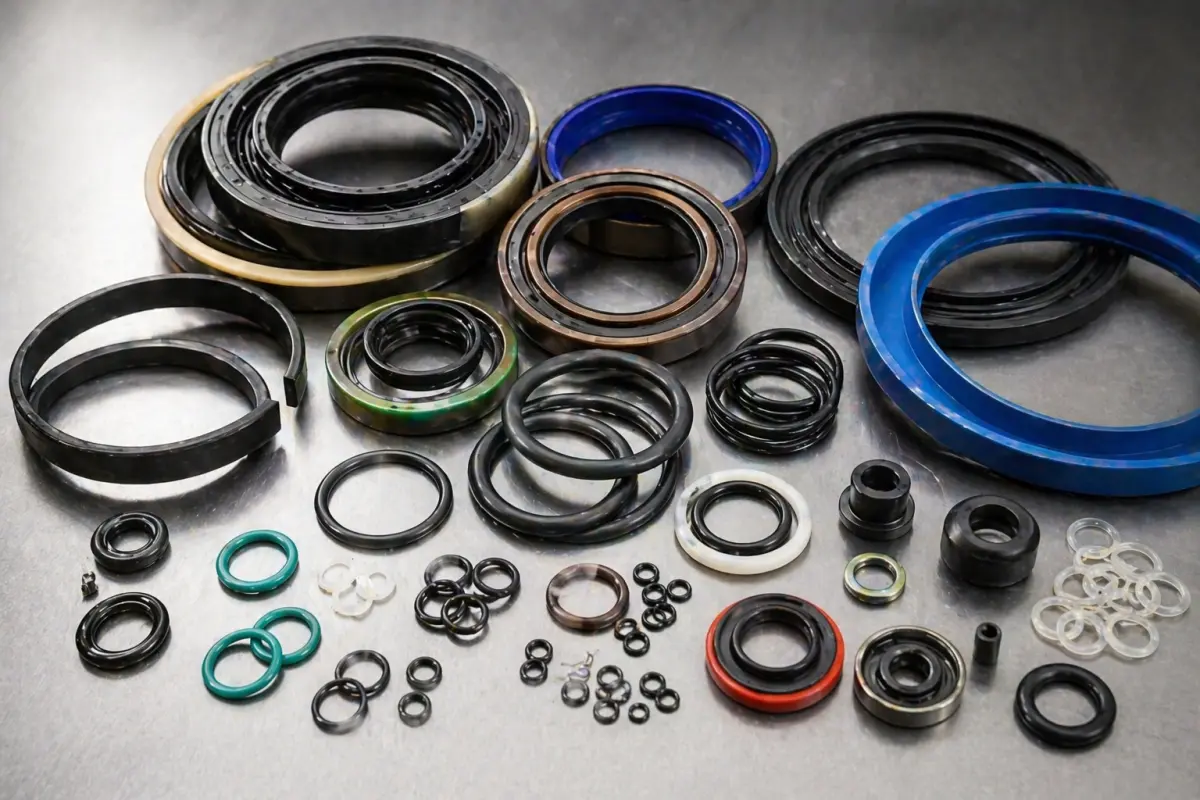
Why is the seal hydraulic system so important?
The main function of the hydraulic seal is to:
- to prevent fluid leakage
- to protect the system from contaminants
- to ensure the correct pressure in the system
Without a high-quality seal, oil leaks, a drop in performance and increased wear and tear on components will occur.
Types of hydraulic seal
There are several types of seal, depending on their application:
🔹 Piston seal
Used in hydraulic cylinders to ensure a tight seal between the piston and the cylinder.
🔹 Rod seal
Protects the hydraulic system against fluid leakage around the piston rod.
🔹 Wiper rings
Prevent contaminants from entering the system.
🔹 O-rings
Universal hydraulic seal for a wide range of applications.
How to choose the right hydraulic seal?
When making your selection, it is important to consider:
- the pressure in the system
- temperature conditions
- type of fluid
- speed of movement
- material seal
The correct choice extends the service life of the entire system and minimises maintenance costs.
Materials for hydraulic seal
Most common materials:
- NBR (oil resistance)
- PU (high resistance wear resistance)
- PTFE (low friction, high temperatures)
- FKM (chemical resistance)
Each material has its own specific properties, so it is important to choose the right one.
Advantages of high-quality hydraulic seal
✔ longer service life of the equipment
✔ reduced failure rate
✔ improved hydraulic efficiency
✔ cost savings
Where can you buy hydraulic seal?
If you’re looking for reliable hydraulic seal, look for suppliers who offer:
- a wide range
- expert advice
- fast delivery
- proven quality
🔧 Interesting facts about the manufacture of the seal hydraulic component
The production of the seal hydraulic component is far more complex than it appears at first glance. Even small ring must meet extreme requirements for precision, resistance and service life.
🔹 Extreme manufacturing precision
Hydraulic seal are manufactured to tolerances often in the order of hundredths of a millimetre. Even a small deviation can cause:
- fluid leakage
- a drop in pressure
- rapid wear
That is why modern CNC machines and precision moulds are used.
🔹 Special materials
Materials for hydraulic seal are not standard rubber. They are often compounds developed specifically for particular conditions:
- resistance resistance to high pressure (even hundreds of bar)
- temperatures ranging from -40 °C to +200 °C
- chemical oil resistance and liquids
For example, PTFE (ptfe) has extremely low friction, whilst polyurethane (PU) excels in resistance resistance to wear.
🔹 Testing under extreme conditions
Every high-quality hydraulic seal undergoes testing:
- simulation of long-term loading
- pressure tests
- friction and wear tests
The aim is to verify that seal can withstand thousands of operating cycles.
🔹 Bespoke manufacturing
Not all hydraulic seals are standard. In many cases, they are manufactured:
- to order, based on drawings
- to suit a specific machine
- or for special operating conditions
This is common, for example, with construction machinery or industrial production lines.
🔹 Combination of multiple materials
Modern hydraulic seal are often not made from a single material, but combine several layers:
- a hard core for strength
- a soft sealing lip for a perfect seal
- a sliding layer to reduce friction
🔹 Long service life thanks to attention to detail
Even the smallest details in production make a difference:
- surface quality
- edge precision
- correct hardness of material
It is precisely these factors that significantly influence how long hydraulic seal will last.
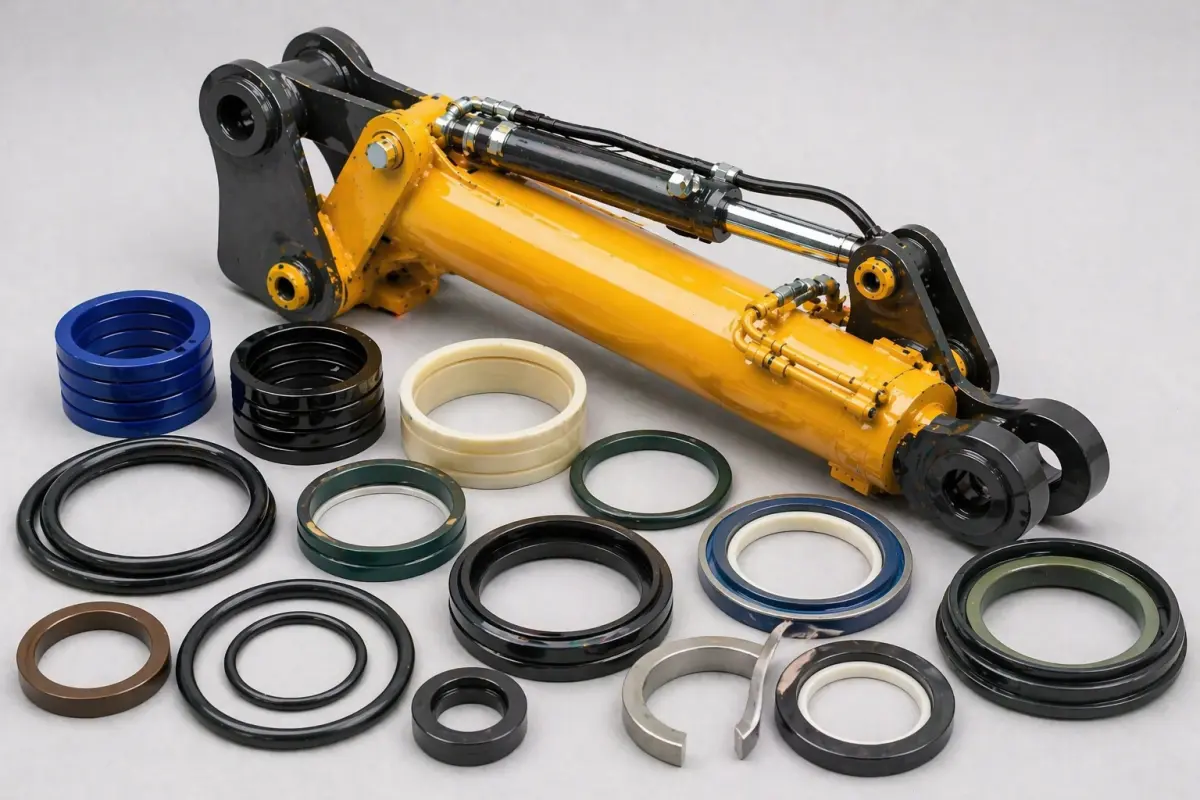
🔍 How does the seal hydraulic system work?
The hydraulic seal operates on the principle of pressure between two surfaces. In a hydraulic system:
- the pressure of the fluid actively presses the seal against the surface
- this increases its efficiency under higher loads
👉 Para rubberIn practice, therefore, the higher the pressure, the better the seal (provided it is correctly designed).
⚠️ The most common causes of seal failure
Even high-quality hydraulic seal can fail if the correct conditions are not met:
- incorrect fitting (damage during installation)
- inappropriate material for the medium in question
- system contamination (dust, metal particles)
- extreme temperatures
- wear and tear or ageing of the material
👉 Up to 70% of hydraulic faults are related to sealm.
🔄 Maintenance and replacement
Regular inspection of the hydraulic seal is crucial:
- visual inspection for leaks
- checking for wear
- replacement at the first signs of damage
👉 Prevention is significantly cheaper than repairing the entire hydraulic system.
🌍 Environmental considerations
Modern hydraulic seal also has environmental benefits:
- it prevents oil leaks into the environment
- reduces fluid consumption
- promotes sustainable machine operation
👉 High-quality seal = lower environmental impact.
🏗️ Where is hydraulic seal used?
You’ll find hydraulic seal almost everywhere:
- construction machinery (excavators, loaders)
- agricultural machinery
- industrial presses
- hydraulic arms and cranes
- the automotive industry
⚙️ Trends in hydraulics seal
Development is constantly moving forward:
- maintenance-free seal
- lower friction = higher efficiency
- smart materials with a longer service life
- 3D manufacturing and bespoke solutions
| +420 515 320 023 | ||
|
Mon–Thu 6:30–15:30 Fri 6:30–13:00 Lunch break 11:30–12:00 |
||
| [email protected] |
|
ADITEG, s. r. o. Vrbovec 321, 671 24 Znojmo |
